

Structural Integration Blog/Vault
This blog is a living vault—one that will slowly open to reveal hours of never-before-heard recordings of Ida Rolf teaching her work in her own voice. It is dedicated to Ida Rolf, Structural Integration, and the subsequent creation of Rolfing itself; preserving and passing down her teachings as they were spoken, questioned, and refined. Written and curated by Joel Gheiler, a Guild Certified Rolf Structural Integrator, these recordings are shared for Rolfing practitioners, structural integrators, bodyworkers, and anyone drawn to this lineage of touch who wish to listen, learn, and stay close to the source.
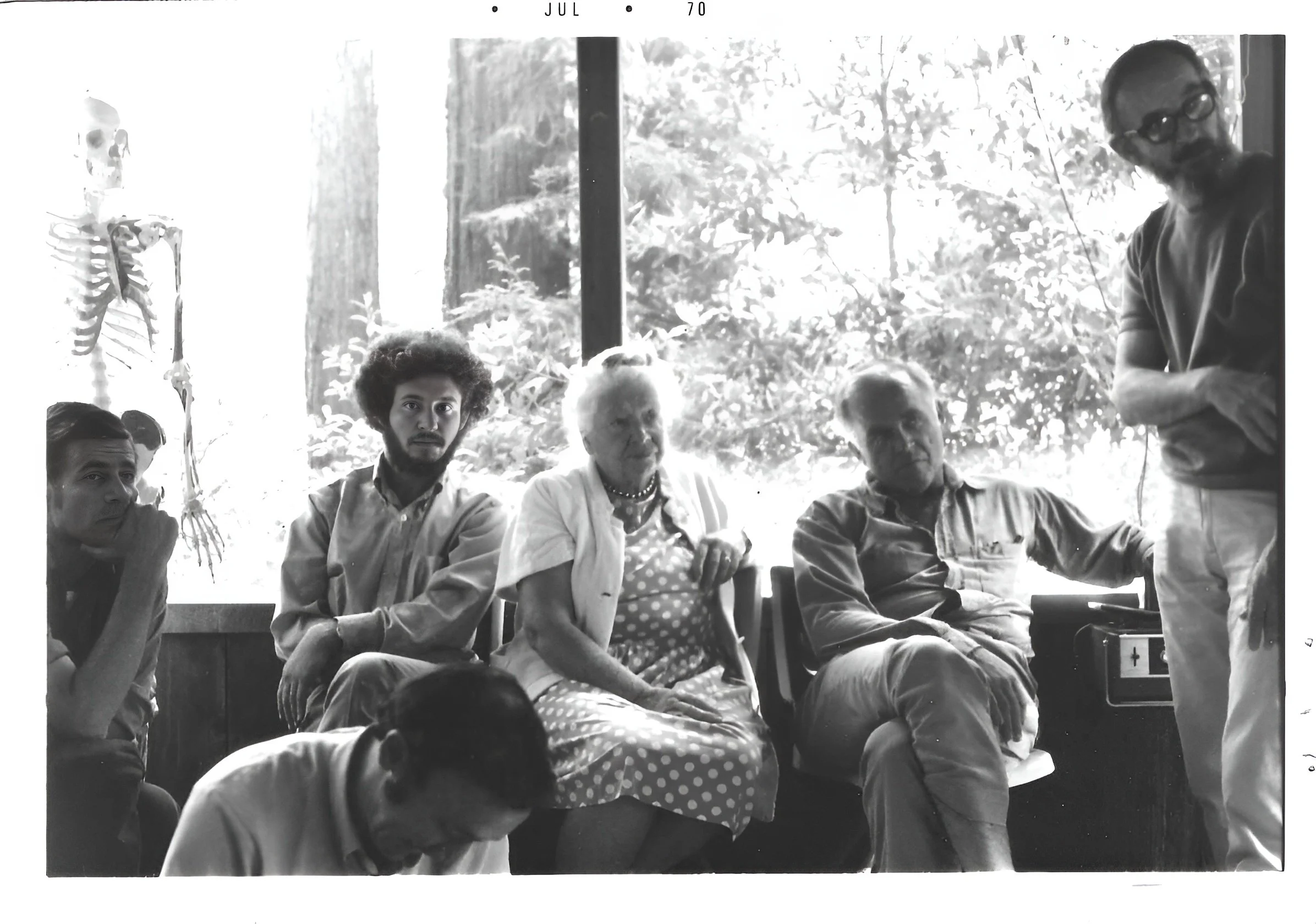
Rolfing and the 10 session recipe
Dr. Ida Rolf’s aphorism, “Where you think it is, it ain’t,” was more than a clever remark — it was a structural principle. In the original Rolf Method, pain is rarely located at its true source. This article explores how Ida Rolf challenged her students to think holistically, to see the body as a unified system in gravity, and to move beyond symptom-focused treatment. For those searching for Rolfing in Boston, this deeper structural perspective reveals what the work was originally designed to address: the architecture behind strain, not just the site of discomfort.
Structural Integration vs Rolfing in Boston
Dr. Ida Rolf’s aphorism, “Where you think it is, it ain’t,” was more than a clever remark — it was a structural principle. In the original Rolf Method, pain is rarely located at its true source. This article explores how Ida Rolf challenged her students to think holistically, to see the body as a unified system in gravity, and to move beyond symptom-focused treatment. For those searching for Rolfing in Boston, this deeper structural perspective reveals what the work was originally designed to address: the architecture behind strain, not just the site of discomfort.
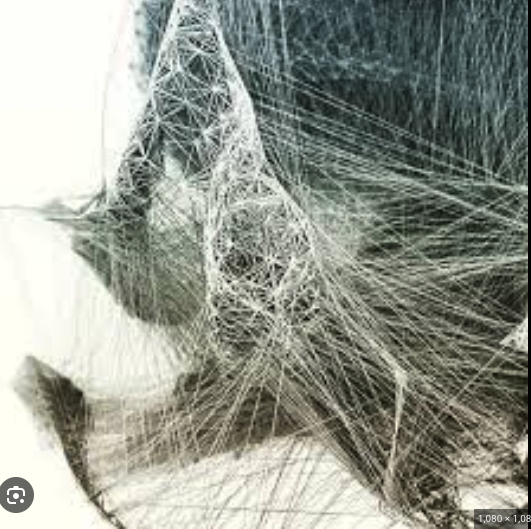
Rolfing in the Fascial Web: A Way to Enhance the Practice
Dr. Ida Rolf’s aphorism, “Where you think it is, it ain’t,” was more than a clever remark — it was a structural principle. In the original Rolf Method, pain is rarely located at its true source. This article explores how Ida Rolf challenged her students to think holistically, to see the body as a unified system in gravity, and to move beyond symptom-focused treatment. For those searching for Rolfing in Boston, this deeper structural perspective reveals what the work was originally designed to address: the architecture behind strain, not just the site of discomfort.
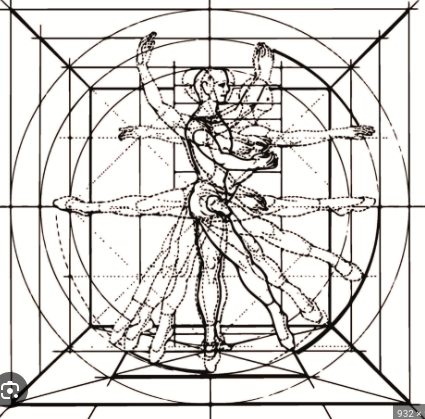
Rolfing and the sphere; a powerful myofascial tool
Dr. Ida Rolf’s aphorism, “Where you think it is, it ain’t,” was more than a clever remark — it was a structural principle. In the original Rolf Method, pain is rarely located at its true source. This article explores how Ida Rolf challenged her students to think holistically, to see the body as a unified system in gravity, and to move beyond symptom-focused treatment. For those searching for Rolfing in Boston, this deeper structural perspective reveals what the work was originally designed to address: the architecture behind strain, not just the site of discomfort.
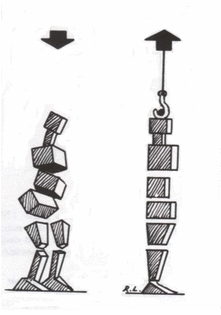
Rolfing and the Line Pt.2: Why the Line Matters in Rolfing ( myofasical release)
Dr. Ida Rolf’s aphorism, “Where you think it is, it ain’t,” was more than a clever remark — it was a structural principle. In the original Rolf Method, pain is rarely located at its true source. This article explores how Ida Rolf challenged her students to think holistically, to see the body as a unified system in gravity, and to move beyond symptom-focused treatment. For those searching for Rolfing in Boston, this deeper structural perspective reveals what the work was originally designed to address: the architecture behind strain, not just the site of discomfort.
Rolfing and the Line: Why the Line Matters in Rolfing ( a myofasical release)
Dr. Ida Rolf’s aphorism, “Where you think it is, it ain’t,” was more than a clever remark — it was a structural principle. In the original Rolf Method, pain is rarely located at its true source. This article explores how Ida Rolf challenged her students to think holistically, to see the body as a unified system in gravity, and to move beyond symptom-focused treatment. For those searching for Rolfing in Boston, this deeper structural perspective reveals what the work was originally designed to address: the architecture behind strain, not just the site of discomfort.
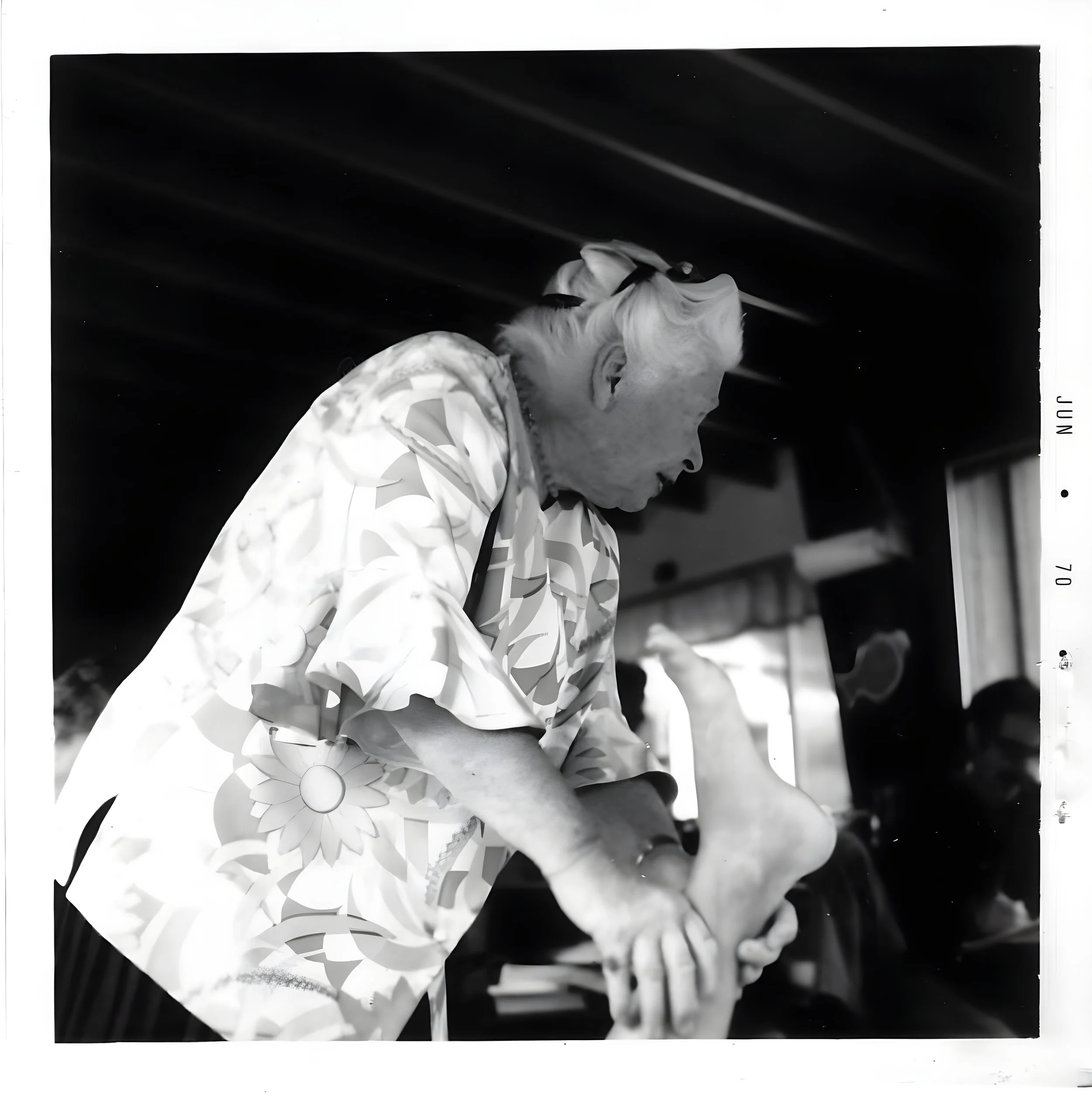
Rolfing Aphorism 3: Put It Where It Belongs — And Get It To Move (a myofasical release approach to Somatic Therapy in Boston)
Dr. Ida Rolf’s aphorism, “Where you think it is, it ain’t,” was more than a clever remark — it was a structural principle. In the original Rolf Method, pain is rarely located at its true source. This article explores how Ida Rolf challenged her students to think holistically, to see the body as a unified system in gravity, and to move beyond symptom-focused treatment. For those searching for Rolfing in Boston, this deeper structural perspective reveals what the work was originally designed to address: the architecture behind strain, not just the site of discomfort.