

Recover Faster, Move Better | Boston Rolf
Rolf Method for Athletes — Dr. Ida Rolf’s original hands-on technique, developed before the trademarked Rolfing® system. Sessions in Boston to improve performance, speed recovery, and optimize movement.
Click here for a free consult
Or
Rolf for Athletes in Boston
Rolf Method for Athletes — Dr. Ida Rolf’s original hands-on technique, developed before the trademarked Rolfing® system. Sessions in Boston to improve performance, speed recovery, and optimize movement.
Click Here for a free consult, or


We understand what a high-performing body is built on
When you work with the Rolf Method, Ida Rolf’s method predating the Rolfing Trademark, the benefits don’t stop at your muscles and fascia. Structural changes ripple through your body creating a synergy that helps you move more efficiently, push harder, and recover faster.
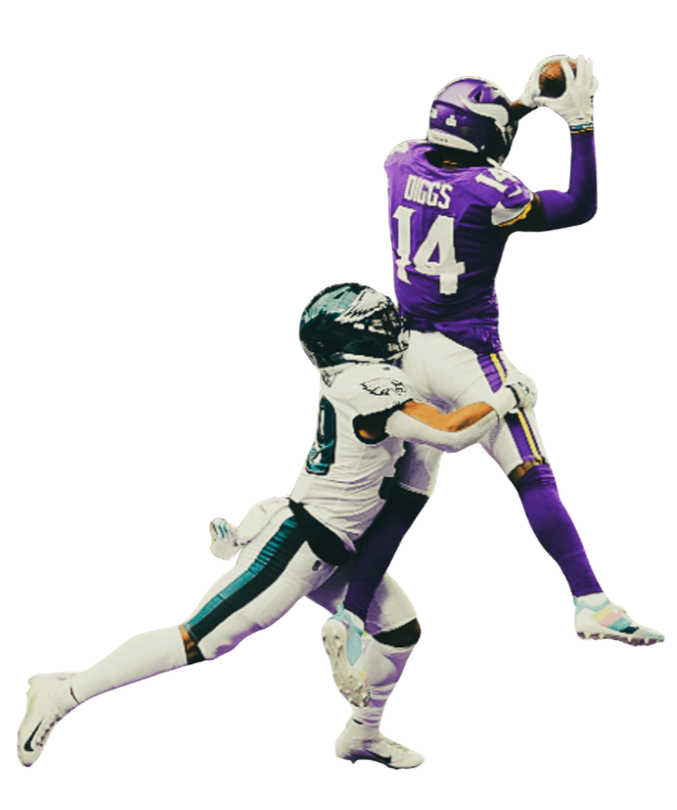
Minnesota Vikings are known to use Structural Integration
-
Rolf work enhances your kinetic alignment — how your joints, fascia, and muscles organize under load and through motion. When your structure stacks and transfers force efficiently, power increases, strain decreases, and movement feels lighter and more controlled.
Benefits of Improved Kinetic Alignment:
More efficient force transfer from ground to output
Increased power with less wasted effort
Improved joint tracking under load
Reduced compensatory tension patterns
Greater stability in dynamic movement
Faster recovery due to decreased structural strain
Better balance and proprioceptive awareness
Improved breathing mechanics under effort
Enhanced durability over long training cycles


-
Structural balance doesn’t just change how you move — it improves how your internal systems function under load. When compression decreases and breathing improves, your internal efficiency and recovery capacity rise.
Improved breathing mechanics
Better oxygen delivery under effort
Reduced internal compression
Enhanced circulation and fluid exchange
Improved digestion and nutrient absorption
Greater recovery capacity
Reduced systemic stress load
Improved endurance sustainability
More resilient energy production
-
Your fascial network is your body’s tension and force-distribution system. When tissue integrity improves, elasticity returns, force transfers cleanly, and movement becomes both stronger and more efficient.
Improved elastic recoil and spring
More efficient force transmission
Reduced stiffness and drag
Increased range without instability
Better load distribution across joints
Decreased chronic tension patterns
Improved shock absorption
Enhanced durability under repetitive stress
Smoother, more fluid movement

-
When your structure is aligned, your neural drive becomes clearer and more efficient. Signals travel with less interference, allowing faster reactions, smoother coordination, and stronger output.
Benefits to Neural Drive & Motor Control:
Faster reaction time
Improved coordination under fatigue
Smoother movement sequencing
Stronger muscle recruitment
Increased power output
More precise joint control
Better balance and spatial awareness
Reduced protective tension patterns
Enhanced movement confidence
Greater efficiency between effort and output

Boston Rolf builds resilience that carries beyond your sport
“As a professional fighter, my body goes through constant stress, impact, and wear. Working with Joel has been a game changer. He is an exceptional Rolfer with a deep understanding of how the body functions under high physical demand.”
Click here for a free consult or

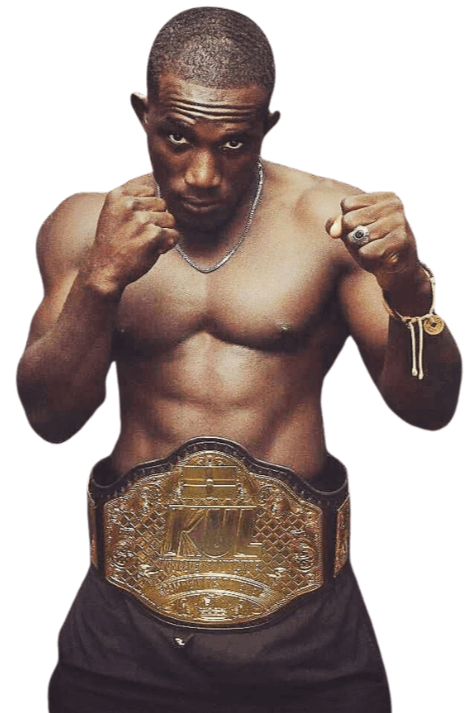
Rolf helps you stay strong inside and outside your sport
Isidro Alexis, MMA Fighter
“As a professional fighter, my body goes through constant stress, impact, and wear. Working with Joel has been a game changer. He is an exceptional Rolfer with a deep understanding of how the body functions under high physical demand.”
Click here for a free consult or
Questions We Often Hear
-
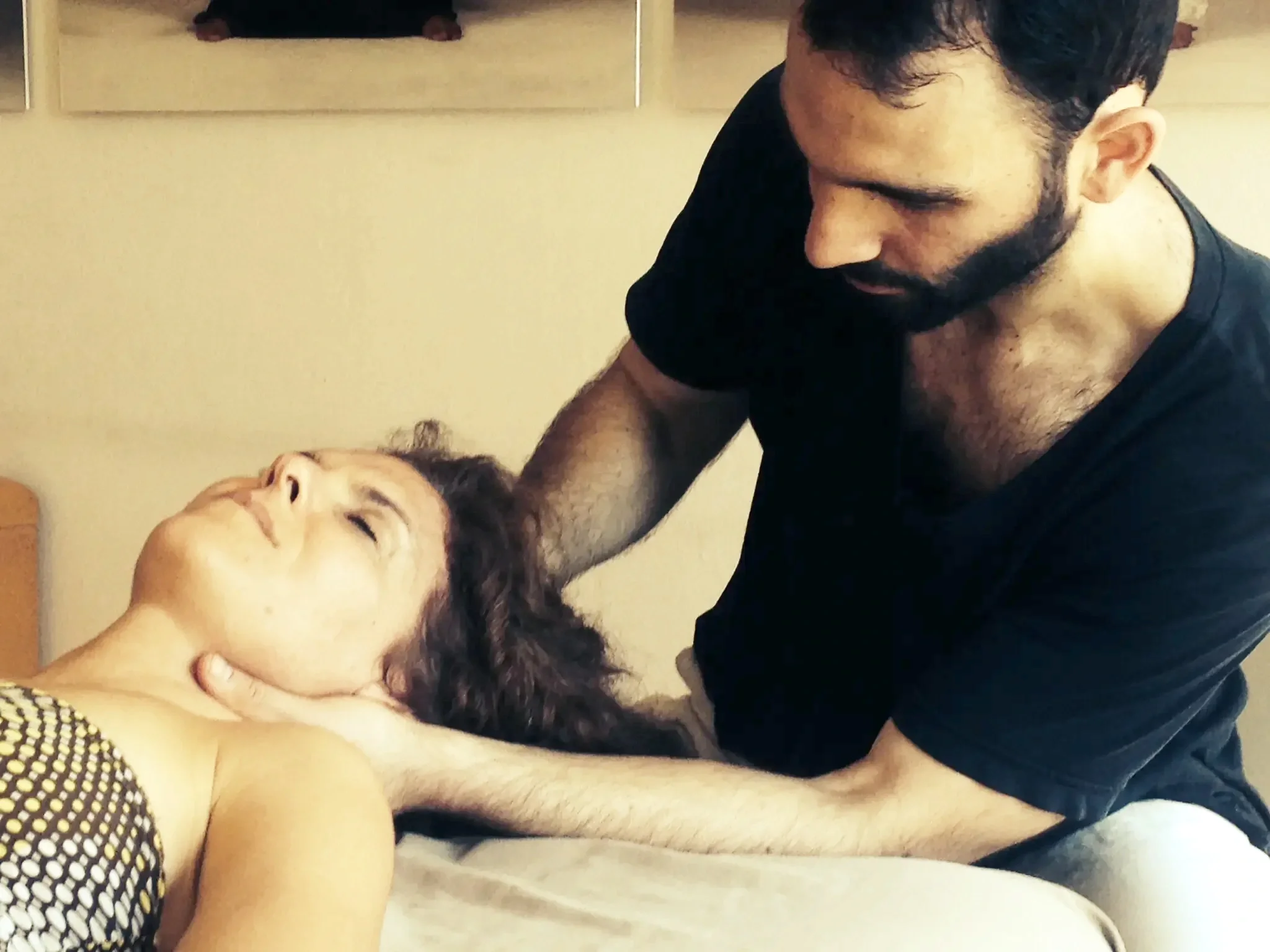
People often describe the sensations as therapeutic pain, a deep, releasing feeling — and many are so relaxed they even fall asleep as their body lets go.
-
The best way to know is to come in — once we work with you, we’ll have a clear sense of what’s possible. Most clients feel significant improvement within 1–4 sessions.
-
Results can last because the body is elastic — Rof sessions helps you build new movement patterns so your body can reach the next level.
-
Rolf sessions isn’t covered by insurance. We focus on giving you the best care possible, without the distractions of insurance paperwork.
-
Absolutely — other modalities can be done alongside Rolfing, and often enhance their effects.
-
Rolfing® is a trademark of the Rolf Institute. I am a Guild Rolf graduate, trained closely in Dr. Ida Rolf’s original teachings.
Boston Rolf strengthens your body for sport and life
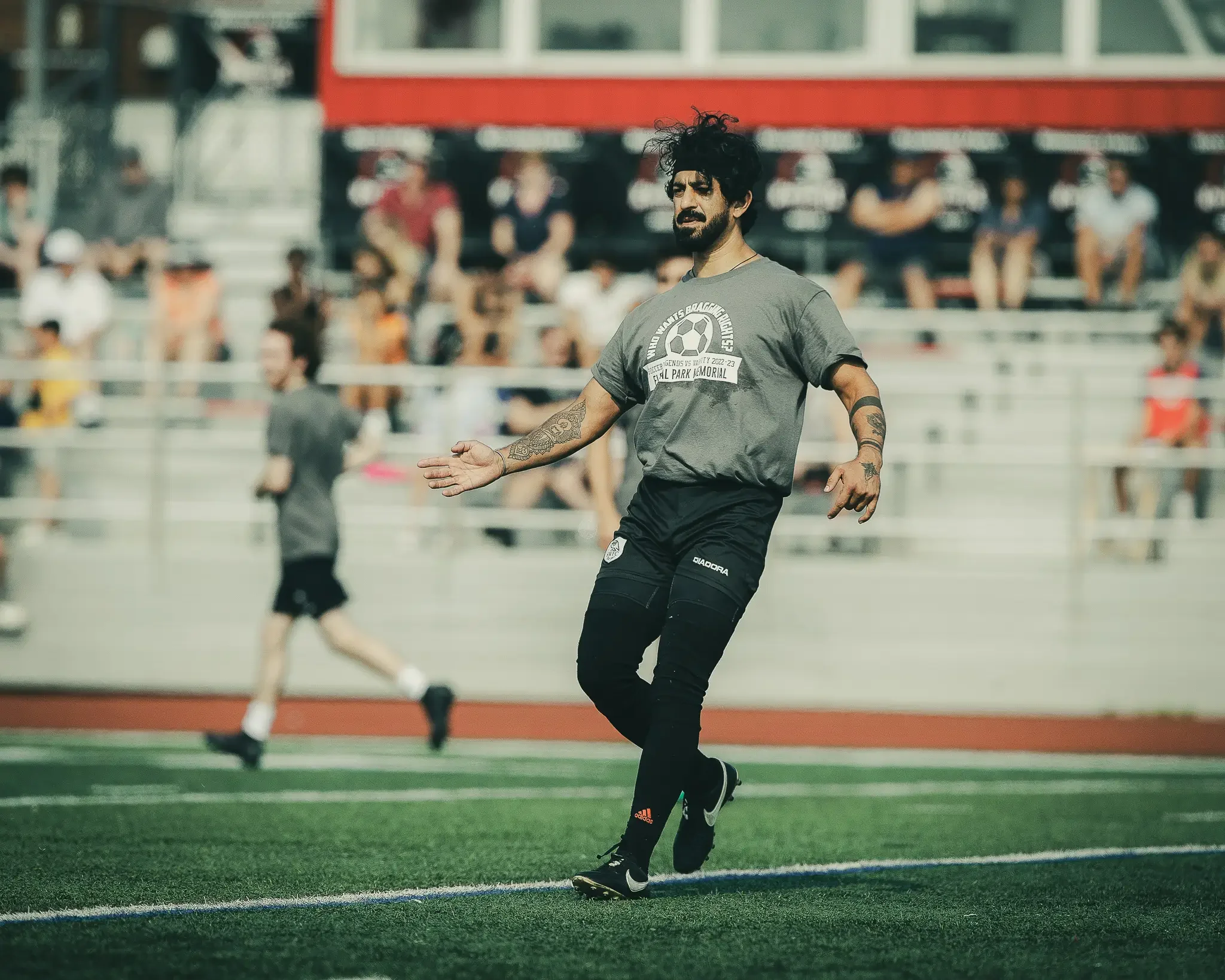
“If you’re looking for a Rolf expert in Boston, look no further! Joel has a wonderful touch and an expertise in hooking tissue to really address all the layers of connective tissue from the skin down to organs! Most importantly, he really cares about his clients and his work. It shows up as deep presence and an ideal container for healing. Highly recommend!”
Choose your practitioner
Click here for a free 15min consult!
Clients may reserve future sessions in advance (up to one session per week).
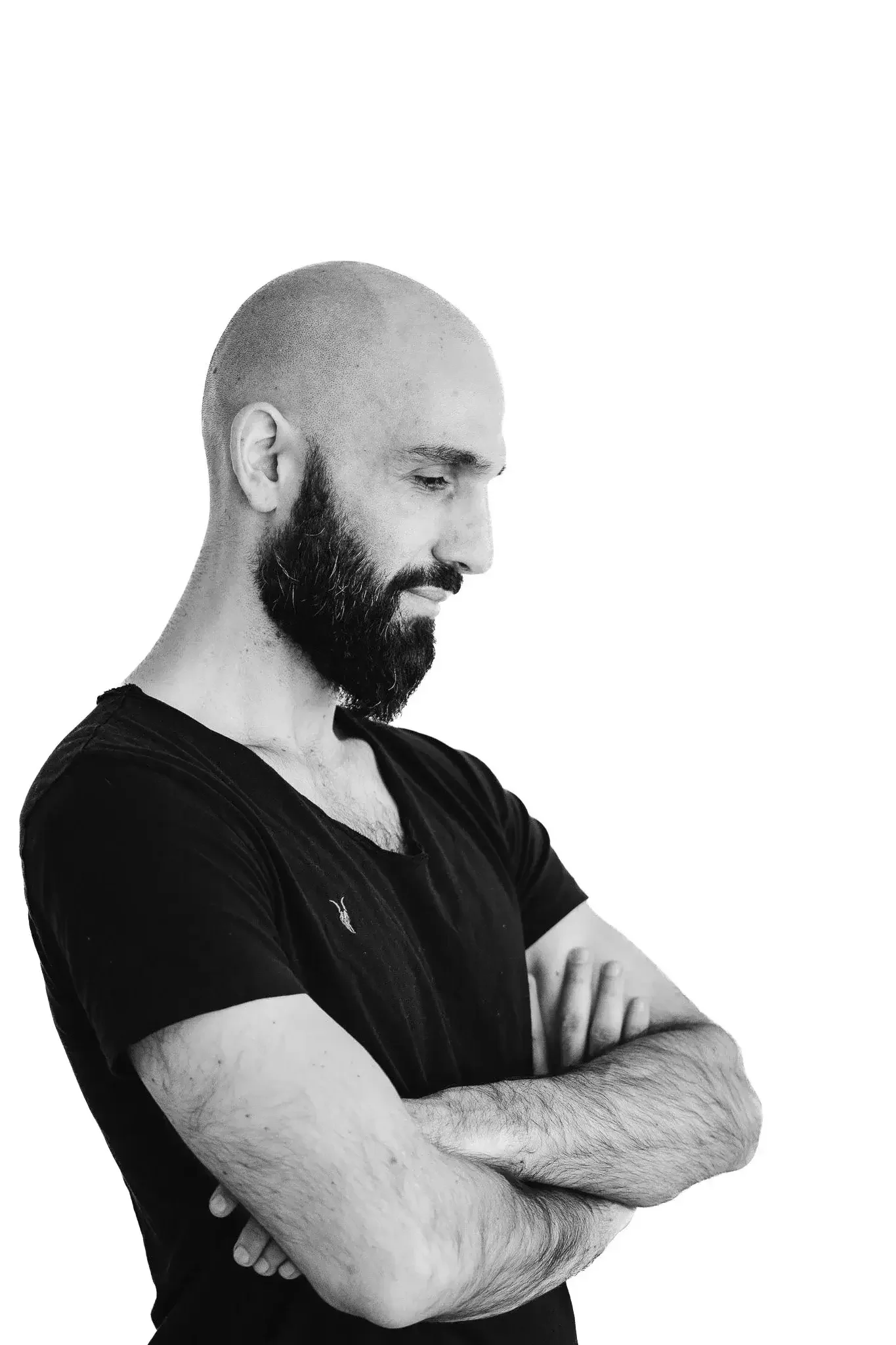
Joel Gheiler,
23 years experience Rolf Method expert Advance somatic embodiment training
Rate per session: $350


Vince Tieu,
14 years experience Myofascial release expert Sports therapist
Rate per session: $250
Free consult /cancellation list!
Do you want a free consult? or wished to be placed on our cancellation list? Just send us your email and we will do the rest!