Boston Rolf - Original Rolf Method
Experience the Rolf Method — the original hands-on technique by Dr. Ida Rolf, predating the trademarked Rolfing® system. Personalized sessions in Boston combining myofascial release and Structural Integration for lasting results.
Click here for a free consult
Or
Boston Rolf - Original Rolf Method
Experience the original Rolf Method by Dr. Ida Rolf, predating Rolfing®. Personalized myofascial release in Boston to relieve pain and restore balance.
Click Here for a free consult, or
When one part of the body compensates for another, tension spreads through the entire system.
Over time, this can create pain far from the original restriction.
Pain rarely starts where you feel it!
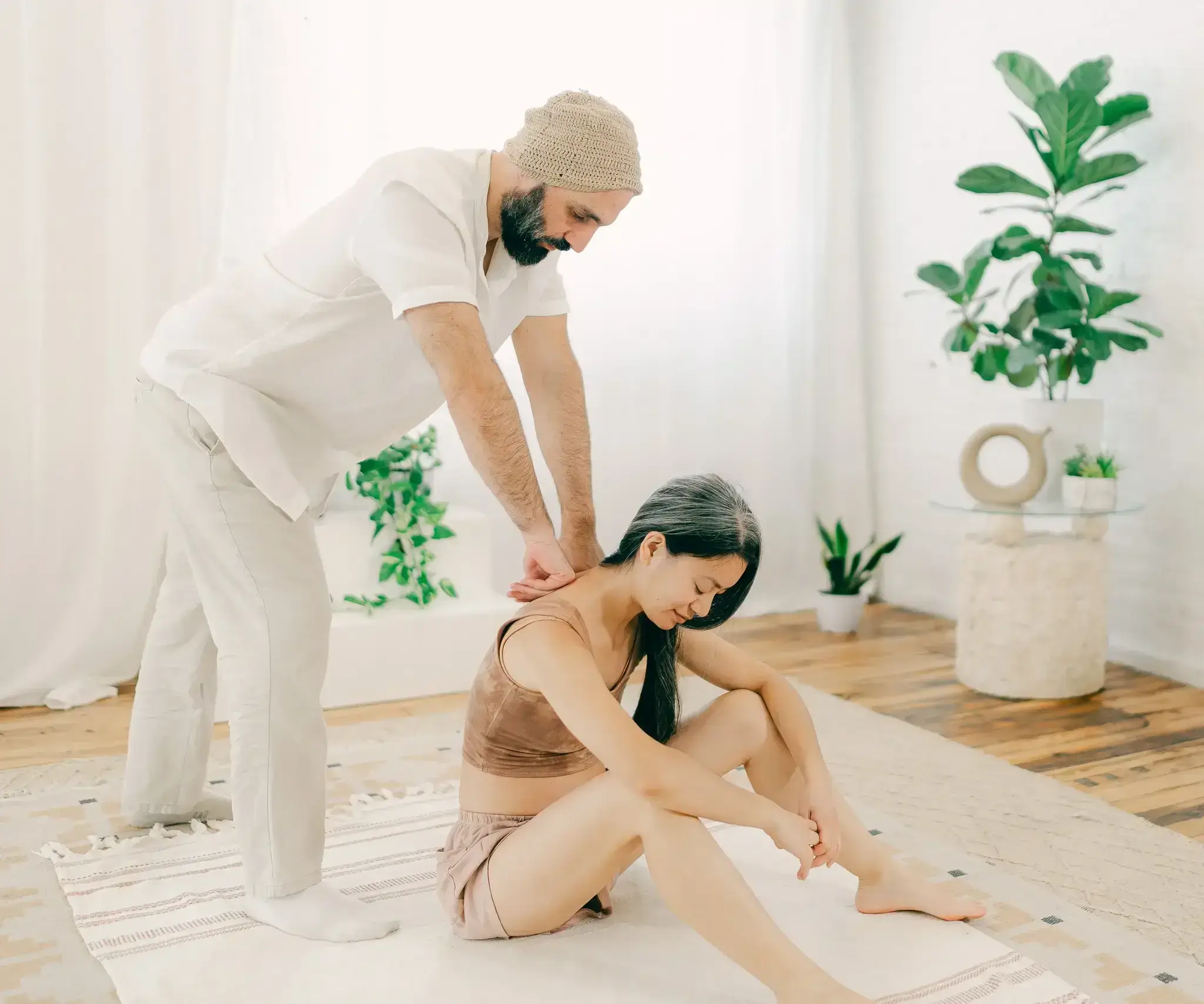
The Rolf Method works with the body from head to toe, using deep myofascial release to address chronic pain, and restricted movement — a hands-on approach that historically preceded Rolfing®.
-
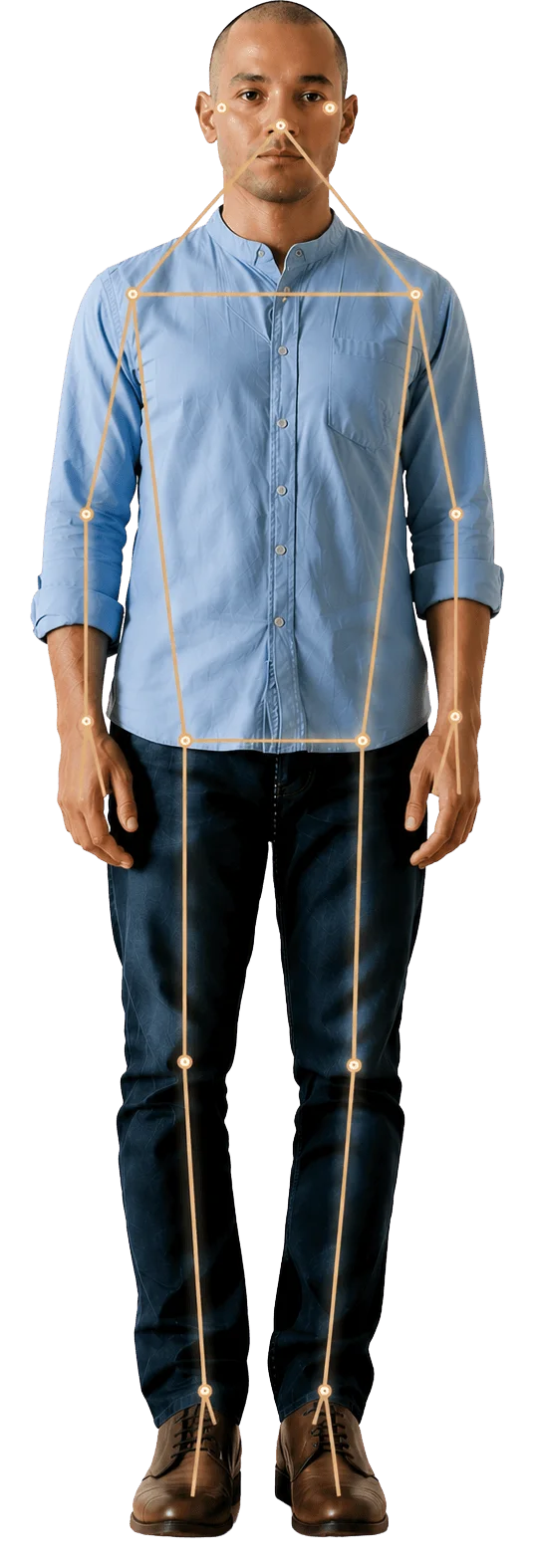
Your head is about the weight and size of a bowling ball. When it starts drifting forward or out of alignment, your body has to work overtime to hold it up. Over time, that extra strain can show up as:
Ongoing neck pain or stiffness
Wear and tear in the joints of the neck
Feeling like your neck just won’t move freely
Tension headaches that start at the base of the skull
Jaw discomfort or clicking (TMJ)
Tight, knotted muscles across the tops of the shoulders
-
When the shoulders start rounding forward and the chest tightens, it doesn’t just affect posture — it can change how your whole upper body moves and feels. Over time, that tension can contribute to:
A shoulder that feels “stuck” or frozen
Ongoing irritation or strain in the rotator cuff
Pinching or catching sensations when you lift your arm
Shoulder blades that don’t move smoothly or feel unstable
Tightness across the chest that makes it hard to stand tall
That familiar rounded-shoulder posture that leaves you feeling compressed
-
Your mid-back is the quiet support system for everything above and below it. It helps you stand upright, rotate, breathe fully, and move with ease. When this area becomes stiff or compressed, your whole body often feels it. Over time, that restriction can show up as:
A stiff upper back that doesn’t want to straighten
A subtle hunching or rounded posture
Tightness between the ribs that makes deep breathing harder
Achiness along the spine when sitting or standing too long
Difficulty twisting or turning comfortably
Extra strain shifting into the neck or low back to “make up” for the lack of movement
-
Your hips are your foundation. They carry you through every step, help you bend and lift, and connect your upper and lower body. When they’re tight, weak, or out of balance, the effects rarely stay in just one place. Over time, hip dysfunction can show up as:
Tight hip flexors that pull on the low back
Glutes that don’t seem to “fire,” leaving other muscles to overwork
A pinching feeling deep in the front of the hip
Achiness around the sacroiliac (SI) joint
Difficulty moving the leg freely to the side, behind you, or into rotation
A sense that one side of the pelvis sits higher or feels different than the other
-
Your knees sit right in the middle of everything. They depend on what’s happening above (hips and pelvis) and below (feet and ankles). When alignment or movement patterns are off, the knees are often the first place to complain. Over time, that strain can show up as:
Aching around the kneecap, especially with stairs or running
Wear and tear in the cartilage that cushions the joint
Instability or past ligament injuries that never quite felt the same
Stiffness and swelling that make movement feel heavy
A kneecap that doesn’t seem to glide smoothly
Ongoing irritation from walking or running patterns that overload one side
-
Your feet are your foundation. Every step you take sends information and force up through the rest of your body. When the feet aren’t moving or supporting you well, the effects rarely stay in just the feet. Over time, this can show up as:
Sharp or aching pain in the heel, especially in the morning
Tightness or irritation in the Achilles tendon
Arches that feel collapsed — or overly rigid and high
Ankles that roll easily or never quite feel stable
Bunions that make walking uncomfortable
Subtle changes in the way you walk that ripple upward into the knees, hips, or back
Here’s their story… now envision yours
Watch their video reviews
“By the time I leave a session with him I feel calmer, more energized than I did before, and the rest of the week is easier for that reason”
-Mathew, Editor “I remember his touch being so gentle yet going so deep, my breath felt lighter. It was like no other massage I’ve ever had.
-Jessica, Consultant
5 Common Mistakes in Rolfing, Myofascial, and Manual Therapies — and How We Address Them
Why Rolf with us?
-
The body does not function as isolated parts.
Health and ease of movement arise from the relationships between segments of the body — how the head balances over the shoulders, how the ribcage relates to the pelvis, and how the legs support the whole structure.When these relationships are out of balance, compensation patterns develop throughout the body.
Rolfing works to restore functional relationships between body segments, helping the body organize itself more efficiently in gravity.
-
Within every region of the body there are multiple fascial layers — superficial and deep.
If only one layer is addressed, tension often returns because deeper or surrounding layers remain restricted.
Rolfing systematically works through multiple layers of fascia, helping balance the superficial and deeper structures so the body can reorganize with greater stability and ease.
-
The organs are suspended within fascial membranes that connect to the rest of the body.
Restrictions around these structures can create myofascial torsion that reverberates throughout the entire system — affecting posture, breathing, and movement patterns.
Addressing these internal fascial relationships can create profound changes in the way the whole body functions.
-
Deep manual work without considering the nervous system can miss the most important part of lasting change.
It is the relationship between the brain and the body that ultimately reorganizes movement patterns.
Rolfing sessions work with the nervous system by pacing pressure, supporting awareness, and engaging the body’s natural rhythms.
Fascia itself has a subtle rhythmic ebb and flow, and skilled practitioners learn to work with these rhythms rather than forcing change. -
When a practitioner believes they already have all the answers, awareness diminishes.
Every body is unique.
Each person carries a different history of movement, injury, adaptation, and compensation.The most effective practitioners remain deeply curious, listening to what the body is communicating and adapting their work moment by moment.
True structural change often comes from exploration rather than rigid technique.
Click Here for a free consult or
“Joel is an extremely skilled healer with deep intuition. I received various Rolfing sessions with him and was impressed by how he would tend to all the places that needed attention and helped me release some chronic tensions.”
Real experiences with Rolf
We practice the original Rolf Method, certified by the Rolf Guild - Rolfing® is certified by the Rolf Institute. The reviews below reflect the personal experiences and opinions of my clients.
“Joel's Rolfing has helped me tremendously with my knee injury. After the first session with Joel I felt a significant reduction in pain. Joel is incredibly skilled, I highly recommend him!
“Joel's extensive knowledge, penchant for detail and unequivocal concern for his client's health and wellbeing puts him head and shoulders above the competition.”
Braxton, producerKaterina, Somatic bodyworkerAbigail, avid skierIsidro, MMA fighter“As a professional fighter, my body goes through constant stress, impact, and wear. Working with Joel has been a game changer. He is an exceptional Rolfer with a deep understanding of how the body functions under high physical demand.”
Moksha, Realtor“Joel trained with the best. He is very intuitive and a master Rolfer. I highly recommend him to both those new to Rolfingand those (like me) that have had their 10 sessions.”
Ellie, Investor“There are times when you receive a service and you really think you are in the presence of a master…Just by touching, he is able to understand exactly what is stuck in your body, and with this, he knows exactly how to release the problem.”
Questions We Often Hear
-
People often describe the sensations as therapeutic pain, a deep, releasing feeling — and many are so relaxed they even fall asleep as their body lets go.
-
The best way to know is to come in — once we work with you, we’ll have a clear sense of what’s possible. Most clients feel significant improvement within 1–4 sessions.
-
Results can last because the body is elastic — Rof sessions helps you build new movement patterns so your body can reach the next level.
-
Rolf sessions isn’t covered by insurance. We focus on giving you the best care possible, without the distractions of insurance paperwork.
-
Absolutely — other modalities can be done alongside Rolfing, and often enhance their effects.
-
Rolfing® is a trademark of the Rolf Institute. I am a Guild Rolf graduate, trained closely in Dr. Ida Rolf’s original teachings.
-
Yes, Sturcutral Integration, Rolfing, and the Rolf method all fall under myofascial therapy
Choose your practitioner
Click here for a free 15min consult!
Clients may reserve future sessions in advance (up to one session per week).
Joel Gheiler,
23 years experience Rolf Method expert Advance somatic embodiment training
Rate per session: $350
Vince Tieu,
14 years experience Myofascial release expert Sports therapist
Rate per session: $250
Free consult / cancellation list!
Do you want a free consult? or wished to be placed on our cancellation list? Just send us your email and we will do the rest!