Rolfing in the Fascial Web: A Way to Enhance the Practice
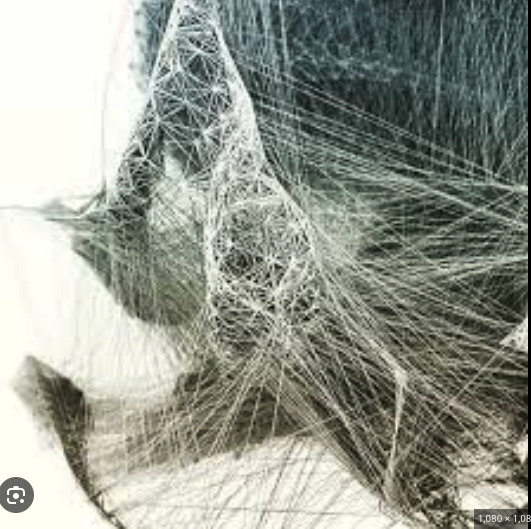
Rolfing in the fascial web
Rolfing in the Fascial Web: Exploring the Rolf Method, Myofascial Release, and Somatic Therapy
In a previous blog, we explored the concept of using a floating sphere in the Rolf Method to enhance a practitioner’s work. Today, we’ll dive into the practice of holding two diametrically opposed concepts within a client’s body in order to evoke order and enhance tissue motility.
The idea is simple: the body contains both health and dis-ease. In our practice, dis-ease often appears in the fascia as a holding pattern — tissue that is guarded, frozen, strained, under excess tension (spreading apart), or excess compression (pressing together). While it’s easy to focus on what’s wrong, it’s equally important to notice what is right. Health can be observed in the natural motility of tissue that moves in coordination with the rest of the system.
As a practitioner, perceiving this healthy motility requires a deep inner focus. One must quiet the mind, engage in wide-angle awareness, relax the body, and sink into the tissues — extending even beyond the immediate sensation to the space around the body. In this state, the practitioner begins to perceive different rhythms in the body, which is where the art of the practice emerges.
Some practitioners focus on manipulating fascia and reorganizing patterns without interfering with the respiratory rhythm — a sound and effective approach. Others explore deeper perceptions: the inherent motility of the nervous system, the ebb and flow of fascia, or even the subtle undulations of the cranial bones.
What Rolfing Practitioners Could Do
Rolfing practitioners could approach these holding patterns by simultaneously observing tension and ease, allowing their awareness to inform gentle guidance rather than forceful manipulation. By holding both the restricted tissue and the inherent motility of healthy tissue in mind, practitioners create a space where the body can naturally reorganize itself.
For example:
They might use myofascial release techniques to soften areas of compression while respecting the surrounding tissue’s natural rhythm.
They could mirror the holding pattern in a way that communicates awareness and patience to the client’s body.
Practitioners may choose to focus on cranial motility or spinal alignment, perceiving the subtle movements that indicate healthy fascial flow.
By combining these approaches, the practitioner supports circulation, nervous system engagement, and overall mobility, allowing the client’s body to access its natural capacity for self-healing.
The Rolfing Perspective in Practice
From the perspective of the Rolf Method, there is often a balance between art and technique. Some practitioners prefer a medium-to-heavy but sensitive pressure, while others rely on subtler, feather-light contact to evoke change. Both approaches aim to engage the fascia and somatic system in a way that respects the client’s internal cues.
Ultimately, by integrating somatic therapy principles and myofascial release, Rolfing practitioners can explore the interplay of tension and ease throughout the fascial web, creating a profound sense of alignment, mobility, and awareness.
Through this lens, the Rolf Method offers a conceptual framework for practitioners to enhance their understanding of the body’s natural rhythms and patterns, while fostering a space for movement toward health and functional ease. make an appointment with Joel Gheiler, Certified Guild Rolf Practitioner, Click Here